Zerodai
Scaling a SaaS Product across Onboarding, Experience, and System Foundations.
challenges
Dashboard experience: Key information wasn’t prioritised, and the layout didn’t reflect what different users actually needed
Onboarding process: Heavily reliant on phone-based guidance, limiting scalability and slowing adoption
Design system: Lacked structure for visual consistency, making it harder to maintain and scale the product
Homepage: Missing clear hierarchy, trust signals, and effective calls-to-action
These issues meant users struggled to quickly understand value, while the product required manual support to function effectively.
solutions
Dashboard: Restructured around user priorities, surfacing key data earlier and introducing more flexibility for different use cases
Onboarding: Designed a six-step, self-serve onboarding flow focused on early value and integration (e.g. Microsoft Teams)
Design system: Introduced a layered token system (primitive + semantic) to improve consistency and scalability
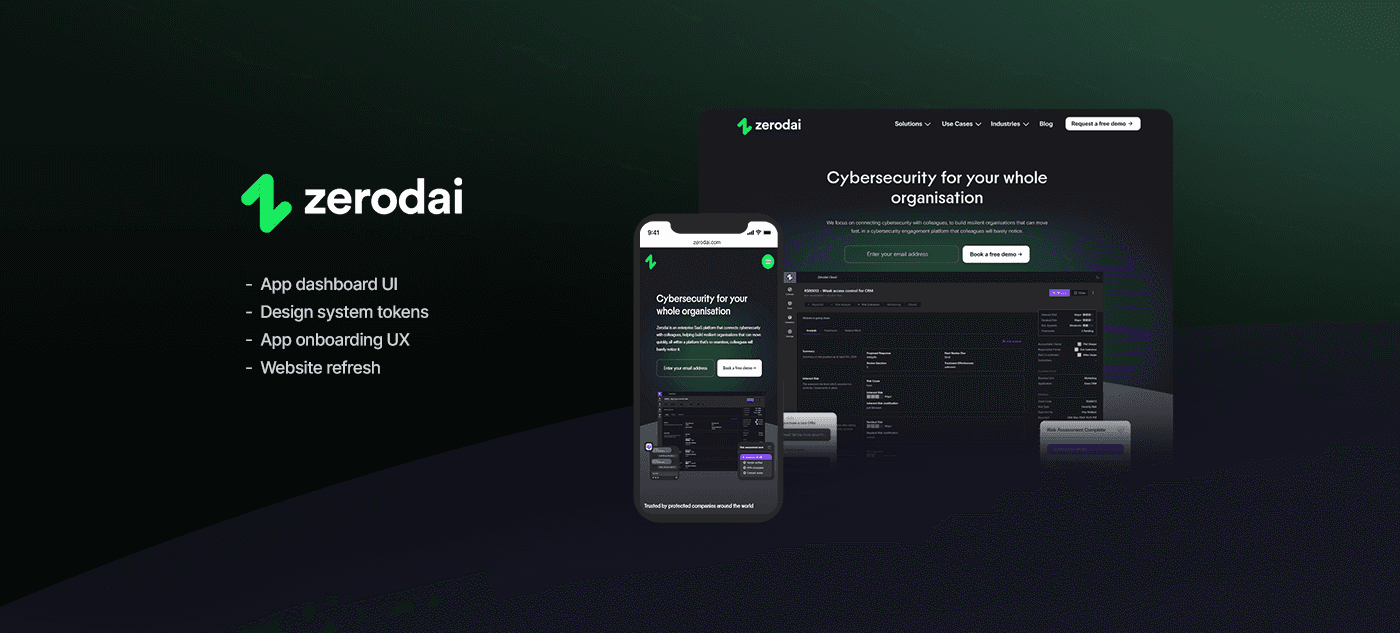
Homepage: Refined content structure, strengthened trust messaging, and improved CTA hierarchy across devices
While the initial issues appeared across different parts of the product, they pointed to a broader problem:
The product experience wasn’t set up to scale.
Users relied on manual onboarding, struggled to quickly see value in the dashboard, and encountered inconsistencies across the interface. At the same time, the underlying design system didn’t support efficient iteration or growth.
The focus shifted from improving individual screens to making the product more scalable across onboarding, usage, and future development.
My Role
I worked across product and platform design to improve how the system functioned as a whole:
aligned dashboard, onboarding, and marketing experience
introduced scalable patterns across the product
collaborated closely with engineering and marketing
prioritised solutions that could be implemented within existing constraints
Key Decisions & Approach:
Making the Dashboard More Actionable
The dashboard didn’t clearly reflect user priorities. I:
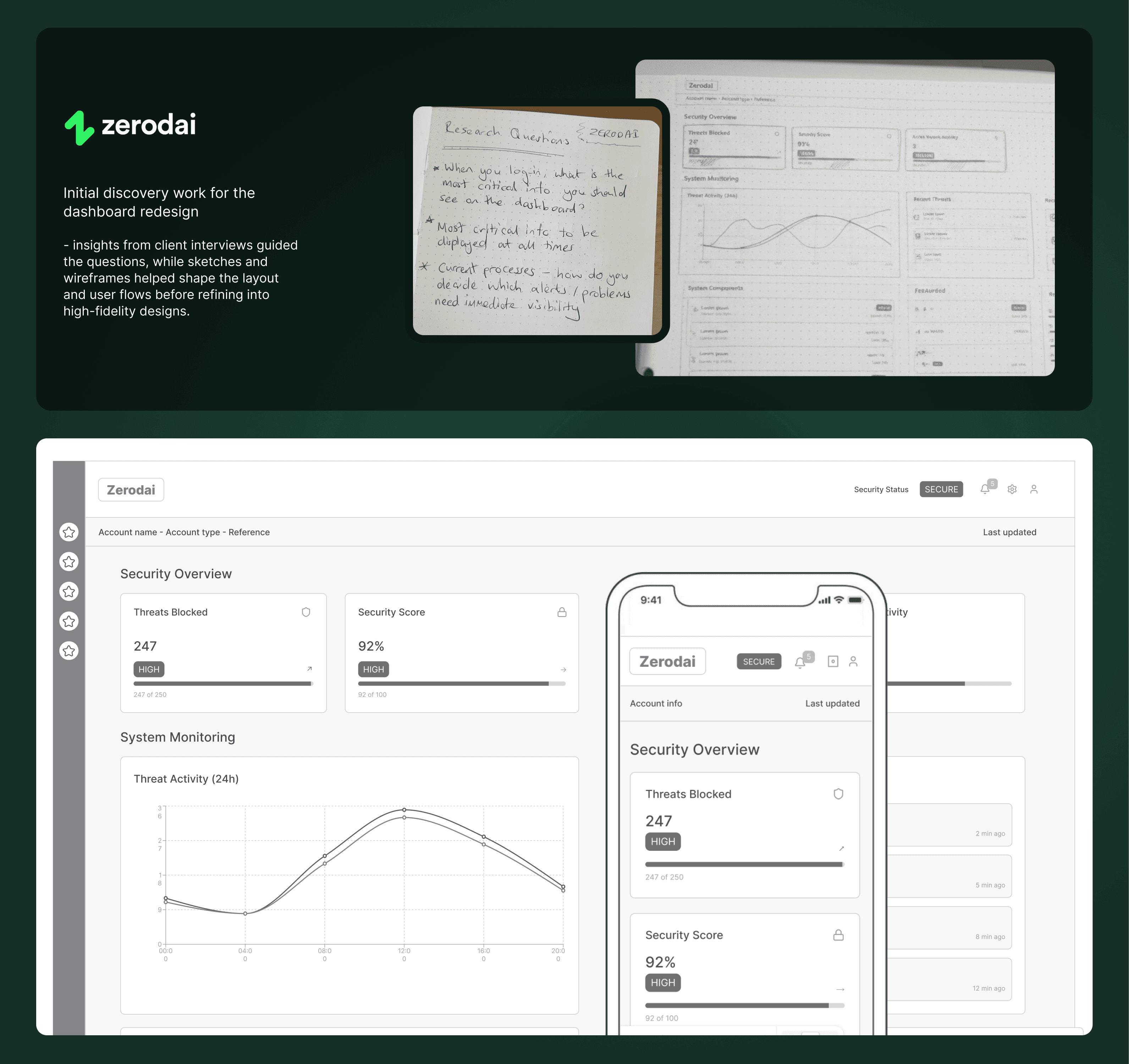
interviewed clients and prospects to understand what information mattered most
restructured the layout to surface key data earlier
introduced flexibility to support different user needs
This made the dashboard more focused and easier to use as a day-to-day tool.
Reducing Onboarding Friction
Onboarding relied heavily on manual support. I:
benchmarked similar SaaS products
worked with marketing to define key user goals early
designed a six-step onboarding flow with goal-setting and early integrations
Low-fidelity prototypes were used to validate clarity before finalising the experience.
This reduced reliance on phone-based onboarding and made the process more scalable.
Strengthening the Design System
The existing system lacked structure for consistent visual design.
I introduced:
primitive tokens (raw values)
semantic tokens (contextual usage)
This improved consistency, made implementation clearer for developers, and supported future updates without large refactors. The system was documented and aligned with tools like Style Dictionary.
Improving Homepage Clarity and Trust
The homepage needed to better communicate value. I:
restructured content to improve flow
introduced clearer trust signals
improved CTA hierarchy
On mobile, layouts were optimised for readability and interaction.
Working Within Constraints
The work needed to fit within:
existing technical limitations
the need for fast iteration
collaboration across multiple teams
Rather than proposing a full redesign, I focused on:
incremental improvements
reusable patterns
solutions that were realistic to implement
year
2023 - Present
timeframe
Ongoing
tools
Miro, Figma, Framer
category
UI/UX, Design Systems
01
Dashboard: This groundwork ensured the redesign was rooted in client priorities rather than assumptions. The explorations directly shaped how key information was surfaced and how personalisation features were introduced in the final dashboard.
02
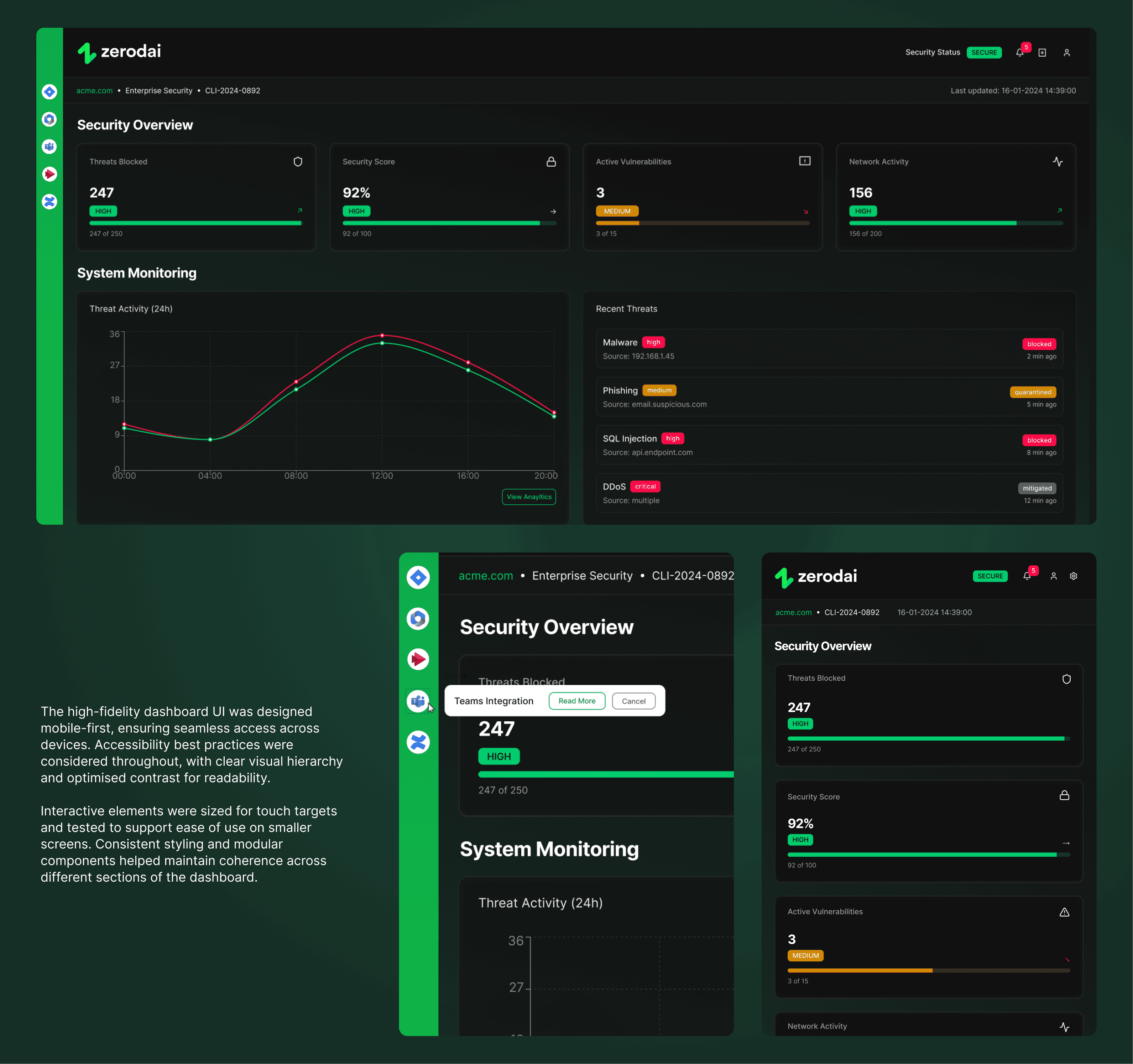
Dashboard: A mobile-first, accessible dashboard design that surfaces key information while allowing personalisation.
03
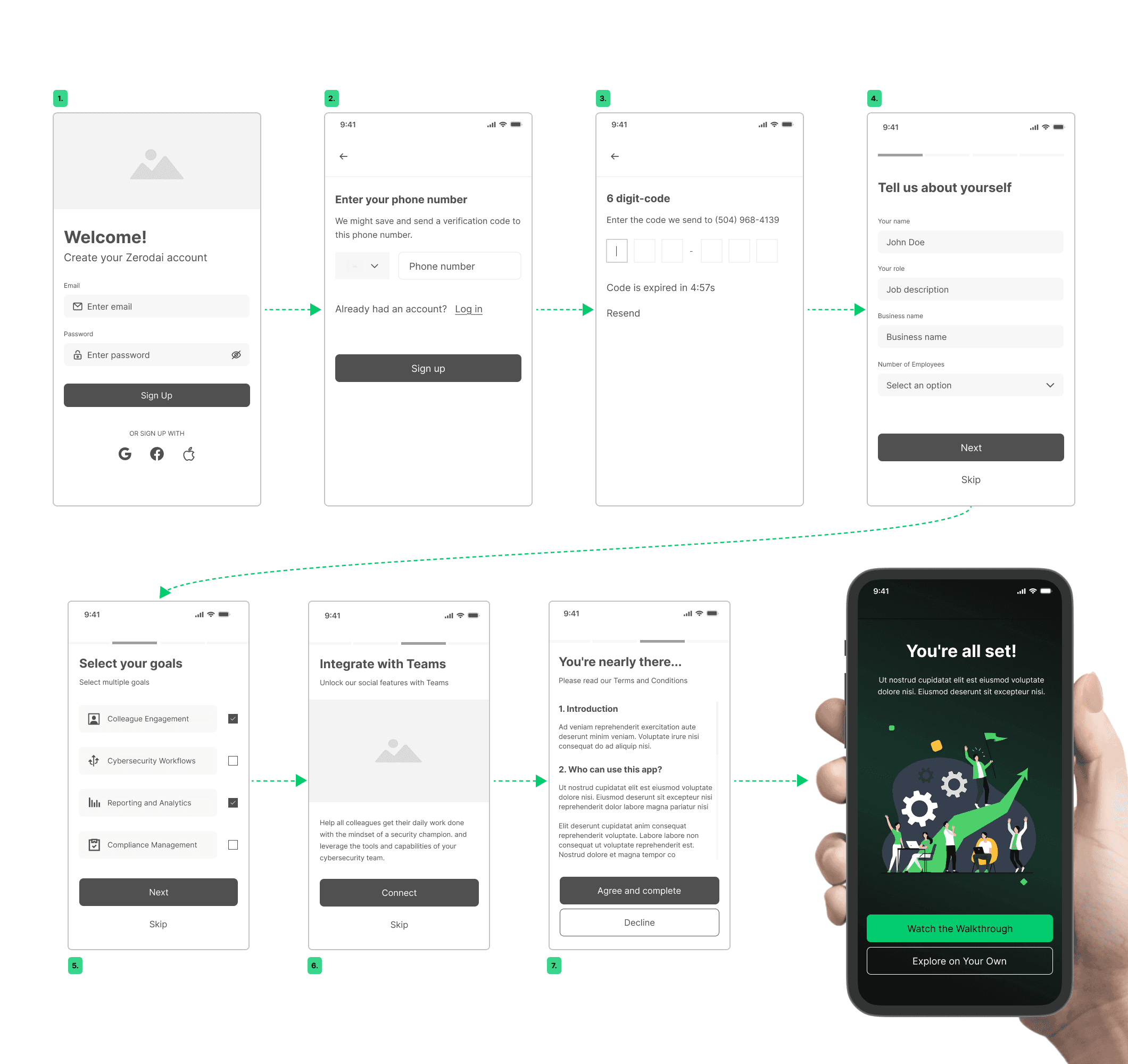
Onboarding: This 6-step approach helped to consolidate the overall onboarding process, provide immediate value to the user, and has seen an an increase in engagement.
04
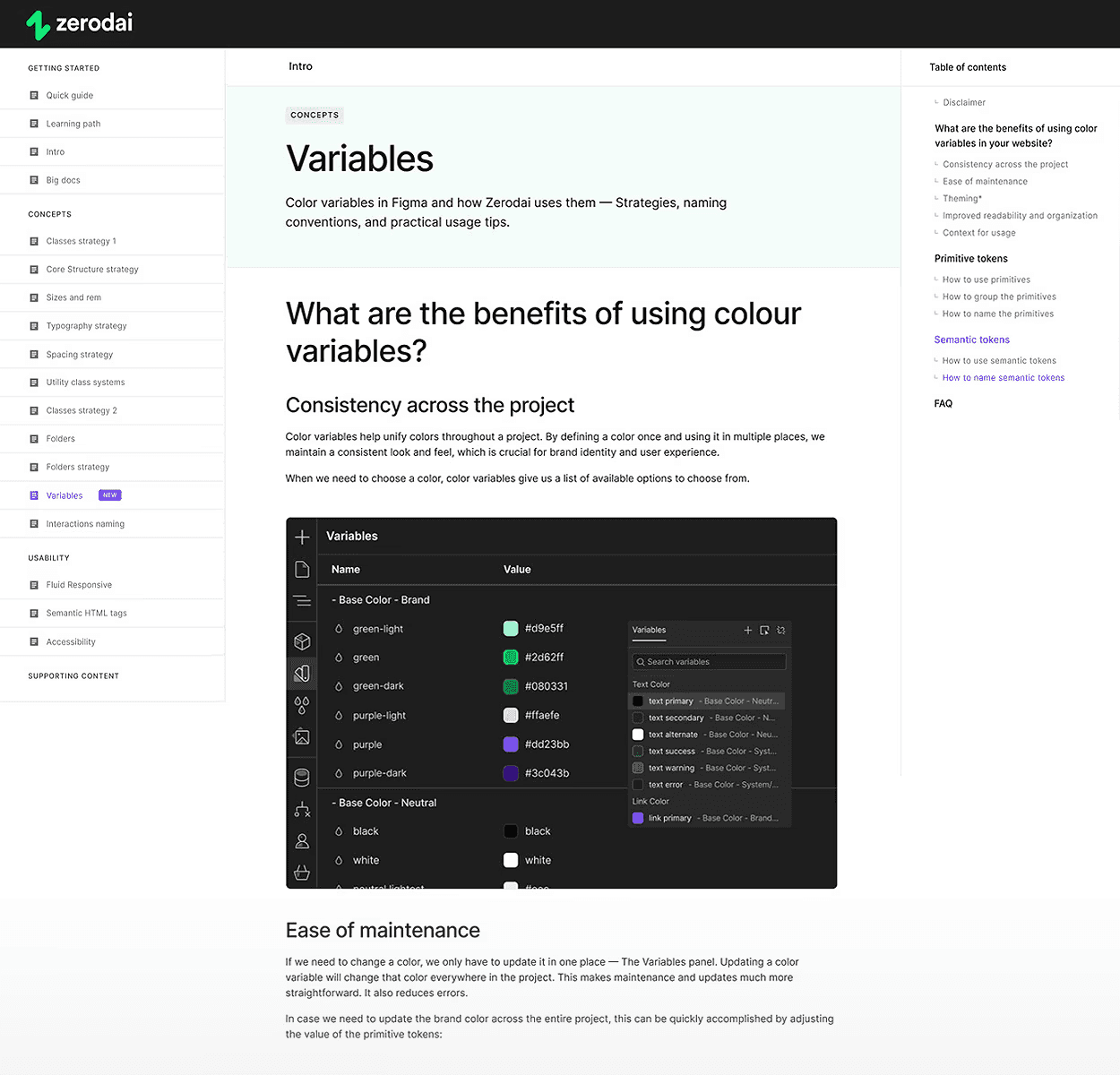
Design System: I was tasked with streamlining the usage of colour tokens across the design system and improving the documentation available.
05
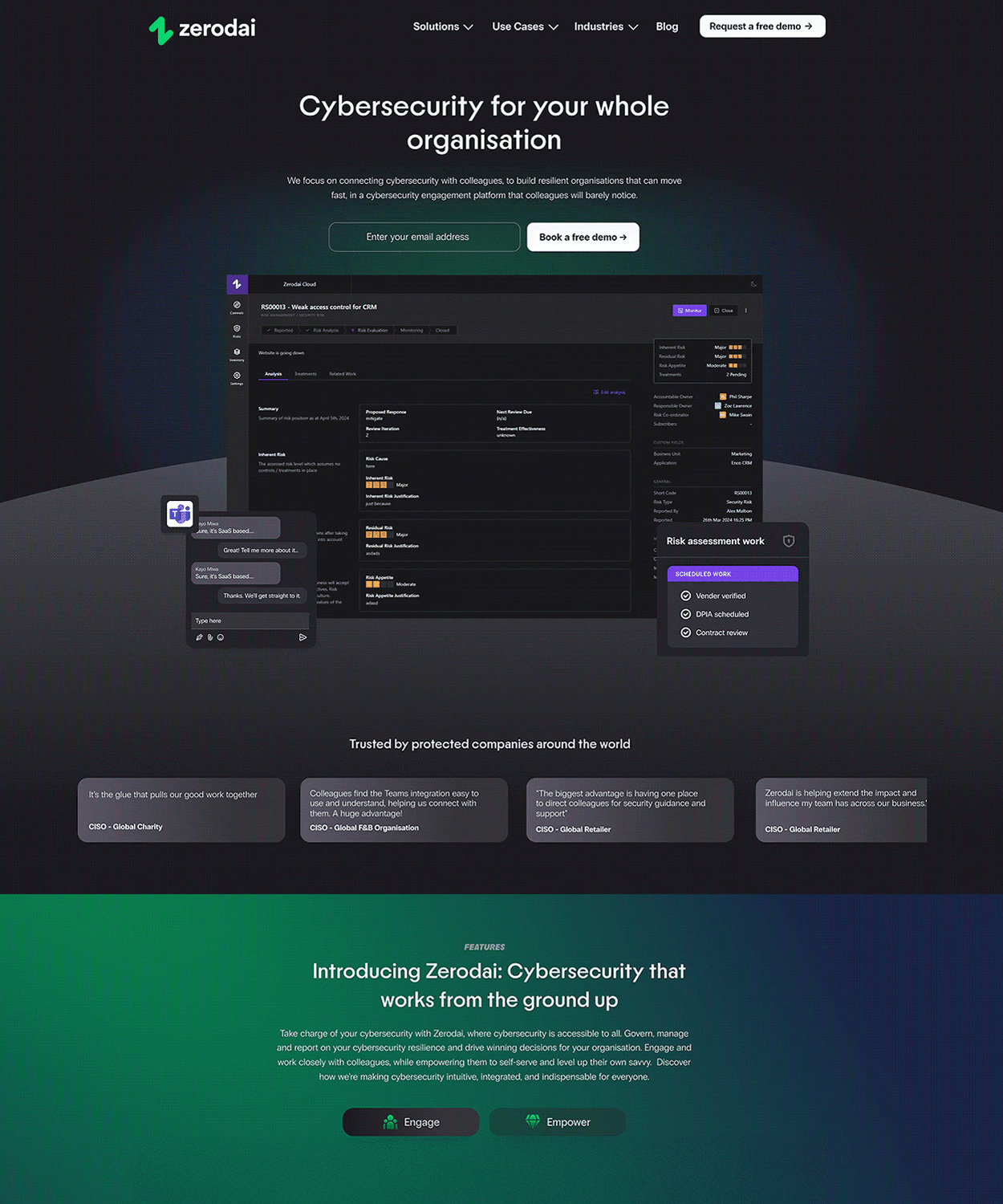
Homepage Layout: Trust-messaging was added in a prominent position. Readibility and Content-Flow was analysed and improved.
wrap up:
The updates improved how the product delivers value and supports growth:
dashboard better aligned with user needs
onboarding reduced reliance on manual support
design system improved consistency and was adopted by developers
homepage changes supported stronger conversion behaviour
Some areas require further iteration, but early feedback indicated improved clarity and engagement across key journeys.
What I'd Push Further:
expand personalisation within the dashboard
continue iterating on onboarding using behavioural data
evolve the design system with more component-level patterns and accessibility standards
validate homepage changes through A/B testing